Automotive Intelligent Cockpit System
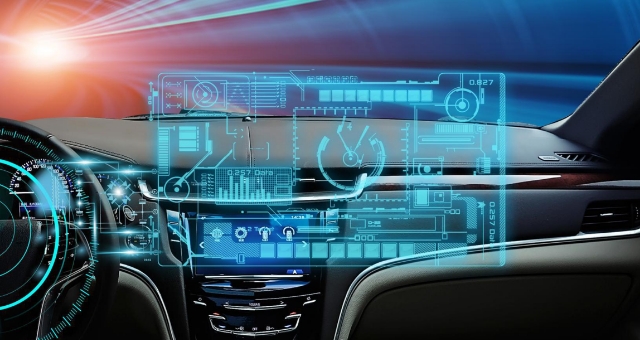
The smart cockpit has evolved from a traditional instrument cluster into an integrated "third living space"-combining perception, cognition, interaction, and services. By fusing advanced electronics, human-machine interaction, and intelligent services, it redefines the relationship between driver, vehicle, and environment, becoming a core value pillar of intelligent vehicles.
Key functional modules include:
- Display System: Integrated center display, digital instrument cluster, and HUD for clear, intuitive information.
- Interaction System: Multimodal interfaces-voice, gesture, and facial recognition-for natural, seamless communication.
- Infotainment System: Navigation, music, video, apps, and games for rich in-cabin entertainment.
- Vehicle Control: Unified control of seats, climate, lighting, and more via the cockpit domain controller.
- Driver Monitoring & Safety: Features like Driver State Monitoring (DSM), drowsiness alerts, and distraction detection to enhance safety.
Related information





